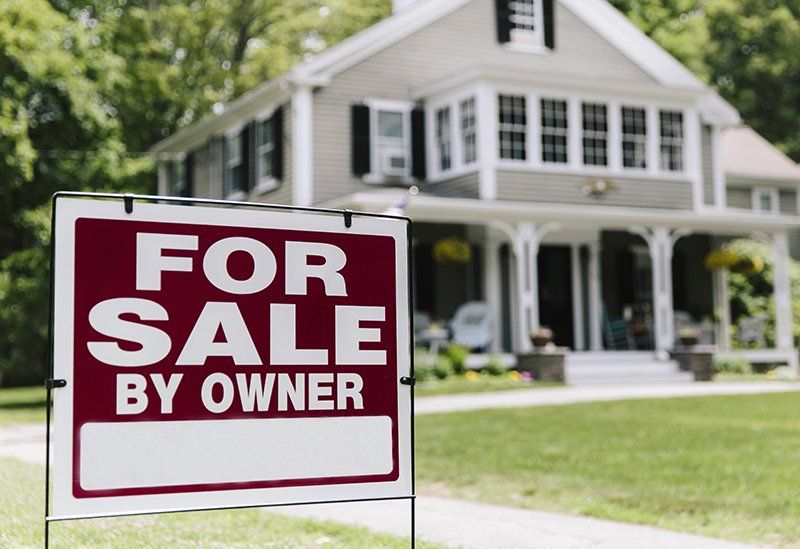
Working with a FSBO

Lisa Naples, Berkshire Hathaway Homesale • March 23, 2022

The main reason homeowners opt to sell their home without a Realtor is to save money. According to the 2021 NAR Profile of Home Buyers & Sellers, 36 percent of For Sale By Owners (FSBO) did not want to pay a commission fee, 30 percent sold it to a relative/friend/neighbor, 8 percent had a buyer contact the seller directly, 56 percent did not want to deal with an agent, 1 percent said their agent was unable to sell the home, less than 1 percent could not find an agent to handle the transaction and 10 percent cited other reasons.


With the majority of FSBO's not wanting to pay commission and/or not wanting to deal with an agent, this can be a tough seller to work with as a buyer agent. One of the biggest challenges to working with a FSBO is getting them to cooperate and agree to pay your buyer agent commission, which given their motivations for not listing with an agent makes sense.


So how do you proceed if your buyer finds a FSBO of interest or you discover one that may meet their needs?


To start, did you know that NAR has "References" for "Working with FSBO's"? Click
here for the link.


The "References" include links to articles, reports, brochures, ebooks and more, all relating to FSBO's. Much of the material is related to converting a FSBO to a listing. Given the brisk pace of the current real estate market, by the time a seller has started to market their home for sale, it's probably too late to convert them into a listing. They're likely getting bombarded with showing requests from buyers and agents alike, or at least enough interest to lead them to believe they are on the right track.


However, the "right track" is really just an illusion. The FSBO should be able to secure a buyer in this market. After all, there is a tremendous surplus of buyers. But there are many other considerations that make the FSBO sale less successful than a listed property sale. There is a great article by Keeping Current Matters that outlines the FSBO pitfalls titled "Why Selling Your House on Your Own in 2021 Is a Mistake". Here are some highlights from this article:


  1. The seller's safety is at risk with no way to qualify the people they are meeting with and allowing into their home.
  2. The FSBO does not have the same online listing exposure of a licensed Realtor. This is important because this is where the buyers are.
  3. Negotiations aren't for amateurs. The FSBO will negotiate with the buyer, the buyer's agent, the home inspector (maybe) and the appraiser.
  4. How does the FSBO know a buyer is qualified? As active agents in this market, we've all received the inflated offer to purchase a home from a buyer with an FHA mortgage or 3 percent down conventional mortgage that will never appraise. We know this is a risk, but does a FSBO?
  5. The FSBO is assuming all liability for the sale.
  6. The FSBO will make more money by listing with an agent.


Click here for a full link to the article.


The bottom line is that when you're searching for homes for your buyers in this market, you will likely encounter a FSBO or two. You should be prepared to work with them and be prepared for their perception of you. Understand that they are either trying to save money by not paying a Realtor and/or don't want to work with a Realtor at all. So how do you proceed? I'm going to consult another article in the NAR "References" titled "Can You Buy a FSBO Home With a Real Estate Agent?". This article offers the following steps once you find a FSBO your buyer wishes to see, and I've added a few more:


  1. Contact the FSBO seller and ask them to sign a fee agreement. From my experience, this is easier said than done. Some may be prepared to offer a buyer agent commission, others will say something along the lines of being negotiable with paying commission depending on your offer. There will be some who simply won't consider paying any commission.
  2. Be prepared to explain to the FSBO seller the benefit of working with you, a Realtor. This includes professional management of the full transaction, preparation of all contracts, scheduling of settlement and a resource to get their sale to the settlement table. This is a start to demonstrating your value to the seller and making a case for them to pay your commission.
  3. Prepare your buyer with the prospect of paying your commission fee if the seller is unwilling to pay it.
  4. Be prepared to do all the work. There is no way around it . . . if you are representing a buyer in a FSBO sale, you are going to be facilitating the entire sale. You will be communicating with both the buyer and the seller throughout the transaction. Some go very smoothly, others are a bit more bumpy. It will give you more respect and appreciation for co-op sales when you do not have to communicate with both buyer and seller and you split the work load.
  5. Always be professional. The FSBO seller does not have to act professionally, does not have to comply with licensing law and does not have a code of ethics, but you do. Don't react poorly to bad behavior, always maintain your professionalism.


Click here for the full article.


In conclusion, FSBO's make up a small percentage of sales, but it's large enough that you should have a plan to work with them if you find a home that meets your buyer's needs. Ask your broker and colleagues for tips and advice if you need it, and consult with the NAR "References" to brush up on all things FSBO.


Facts, opinions and information expressed in the Blog represent the work of the author and are believed to be accurate, but are not guaranteed. The Lancaster County Association of Realtors is not liable for any potential errors, omissions or outdated information. If errors are noted within a post, please notify the Association. Posts represent the author's opinion and are not necessarily the opinion of the Association.



Real estate financing and non-mortgage contingent offers explained, including the differences
By Wayne Angelo, Cross Country Mortgage • October 26, 2026
Learn how non-mortgage contingent offers differ from cash offers and what buyers and REALTORS® should know about financing, appraisals, and contract risks.
October 12, 2026
LANCASTER, PA – Lancaster County's housing market continued to show strength in September 2026, with rising home prices, increased inventory, and stronger year-over-year sales activity, according to the latest statistics from Bright MLS. The median sold price reached $370,000, a 4.2% increase from September 2025. A total of 457 homes were sold during the month, up 6.5% from the previous year. Housing inventory also improved, with 779 active listings, an increase of 17.3% compared to September 2025. New listings rose 4.8% to 551 properties, providing buyers with additional opportunities. “Lancaster County continues to demonstrate the strength and stability of our local housing market,” said Christina Diehl, President of the Lancaster County Association of REALTORS® (LCAR). “The increase in available homes is encouraging for buyers, while continued price appreciation reflects the strong demand for housing in our community.” Homes continued to sell quickly, spending an average of just 20 days on the market, compared to 25 days a year earlier. Properties also sold at an average of 103.1% of their original listing price, demonstrating continued competition among buyers. Year-to-date figures remain positive, with closed sales increasing 2.7% and the median sold price rising 4.3% to $365,000. “As we enter the final months of 2026, we remain optimistic about Lancaster County's housing market,” Diehl added. “While increased inventory offers buyers more choices, demand remains strong. Working with a knowledgeable local REALTOR® continues to be an important advantage for both buyers and sellers.” About the Lancaster County Association of REALTORS® The Lancaster County Association of REALTORS® (LCAR) represents real estate professionals throughout Lancaster County and is dedicated to promoting homeownership, protecting private property rights, and supporting professionalism in the real estate industry. 
Father holding son showing work life balance as a realtor
By Wayne Angelo, Cross Country Mortgage • September 28, 2026
Work Life Balance
Time blocking as a real estate agent
By Wayne Angelo, Cross Country Mortgage • September 21, 2026
Time Blocking
REALTOR® using the FOREWARN safety app to verify prospective clients and review available public-rec
By Lisa Naples Berkshire Hathaway HomeServices Homesale Realty • September 14, 2026
Learn how REALTORS® can use FOREWARN to verify prospective clients, review available public records, and add another layer of safety before meeting new contacts.
Enhanced Title Insurance: More Protection for Your Home
By Wayne Angelo, Cross Country Mortgage and Bill Stull, Abstract Associates of Lancaster • August 17, 2026
When purchasing a home, buyers often have the option of choosing either a standard or enhanced owner’s title insurance policy. Both policies protect the buyer’s ownership interest in the property, but the enhanced policy provides several valuable protections that go beyond the coverage included in a standard policy. The enhanced policy is available for purchases of one-to-four-family residences and condominiums when the property is being purchased in an individual’s name, rather than in the name of an LLC, corporation, partnership, or other entity. A standard owner’s policy protects against common title problems, including defects, liens or claims against the property, an unmarketable title, and a lack of legal access. The enhanced policy includes those protections while adding coverage for issues that are especially relevant to homeowners, including certain building permit and zoning violations, improper subdivisions, vehicular access problems, and structures that encroach onto the property after the buyer takes ownership. One of the most important added benefits is post-policy forgery protection. A standard policy generally protects against title issues that existed before the buyer purchased the property. The enhanced policy also provides protection if someone later forges the homeowner’s signature or creates a fraudulent deed that clouds the homeowner’s title. With real estate and identity fraud becoming an increasing concern, this protection alone can provide homeowners with valuable peace of mind. The enhanced policy also includes an automatic increase in coverage. The policy amount increases by 10% each year during the first five years of ownership, up to 150% of the original policy amount. This helps the coverage keep pace as the value of the property increases. In Pennsylvania, the enhanced policy is available for a one-time premium that is only 10% higher than the standard owner’s policy premium, with no annual renewal cost. At Abstract Associates, we believe buyers should understand the difference between the two policies before making their decision. For a relatively small additional cost at settlement, the enhanced policy provides broader protection that can continue to benefit the homeowner long after closing.
Top 10 Things People Don’t Understand About Property Insurance
By Raquelle Riti, Bernieri Associates Allstate Insurance • August 3, 2026
Top 10 Things People Don’t Understand About Property Insurance
Reverse Mortgage
By Wayne Angelo & Megan Brogna – CrossCountry Mortgage • July 31, 2026
Most people think of a reverse mortgage as a way for homeowners to access the equity they've built in their current home. While that's certainly true, many Realtors are surprised to learn that a reverse mortgage can also be used to purchase a new home. What Is a Reverse Mortgage? A reverse mortgage, also known as a Home Equity Conversion Mortgage (HECM), is an FHA-insured loan available to homeowners age 62 and older. Instead of making monthly mortgage payments, eligible borrowers can use a portion of their home's equity to eliminate an existing mortgage, establish a line of credit, receive monthly payments, or simply improve cash flow. Borrowers remain responsible for paying property taxes, homeowners' insurance, maintaining the home, and continuing to occupy it as their primary residence. What Is a Reverse Mortgage for Purchase? A HECM for Purchase allows qualified buyers age 55 and older to purchase a new primary residence using a substantial down payment and a reverse mortgage—without the obligation of monthly principal and interest payments.* This program can be an excellent solution for: Buyers looking to downsize. Retirees relocating closer to family. Homeowners moving into a 55+ community. Clients seeking a home that better fits their retirement lifestyle. Buyers who want to preserve more of their retirement savings or investment assets. Instead of paying all cash for a home, buyers can finance part of the purchase through a reverse mortgage, allowing them to keep more of their liquid assets available for future needs. Why Realtors Should Know About This Program A Reverse Mortgage for Purchase can help clients: Increase purchasing power. Improve monthly cash flow. Preserve retirement savings. Purchase a home that better meets their long-term needs. Age in place more comfortably. For many older buyers, this financing option can make the difference between settling for a home and purchasing the one that truly fits their retirement goals. If you work with clients who are 55 or older, a Reverse Mortgage for Purchase may be worth exploring before they write an offer. *Borrowers must continue to pay property taxes, homeowners insurance, maintain the property, and occupy the home as their primary residence. The amount available depends on factors including the youngest borrower's age, current interest rates, and the home's value. Facts, opinions and information expressed in the Blog represent the work of the author and are believed to be accurate but are not guaranteed. The Lancaster County Association of Realtors is not liable for any potential errors, omissions or outdated information. If errors are noted within a post, please notify the Association. Posts represent the author's opinion and are not necessarily the opinion of the Association.