
What Is a Hard Money Loan?

Wayne Angelo, Cross Country Mortgage • May 22, 2026

A hard money loan offers quick, short-term financing secured by real property, typically used as a last resort by real estate investors, developers, and property flippers. Unlike traditional bank loans, these loans are based primarily on the value of the collateral property, allowing for a faster approval process. However, they often come with higher interest rates, reflecting the increased risk taken on by private individuals or companies who usually serve as lenders in these transactions.


In Pennsylvania, hard money lending is not legally allowed on an owner-occupied primary residence. A private loan not made by a licensed lender is a felony in the 3rd degree unless the borrower is a relative or the seller of the property. There is a 3-property exemption for sellers of real estate. If uncertain check with the Department of Banking before making or taking a private mortgage. 


Key Takeaways


  • Hard money loans are secured by real property and serve as short-term bridge or last resort lending options, typically used in real estate transactions when speed is crucial and/or traditional mortgages are not available.


  • Hard money loans typically have higher interest rates than traditional mortgages, with rates ranging from 10% to 18% in May 2024 compared to regular mortgage rates of about 6.95% to 10.5%, and many hard money lenders also charge points for a given rate.


  • Lenders focus on the value of the collateral, allowing for a quicker approval process that can close within 10 business days.


  • Despite their rapid approval, hard money loans have shorter terms, usually between six to 18 months, and borrowers often use them to finance property renovations and flips.


The primary downside includes high costs due to interest rates and lower loan-to-value ratios.


Understanding the Mechanics of Hard Money Loans


Hard money loans have terms based mainly on the value of the property being used as collateral, not on the creditworthiness of the borrower. Since traditional lenders, such as banks, do not make hard money loans, hard money lenders are often private individuals or companies that see value in this type of potentially risky venture.


For flippers and short-term investors, the high interest rate might not matter since they plan to repay the loan quickly, reducing the cost. But for others, a loan with a lower rate is better.


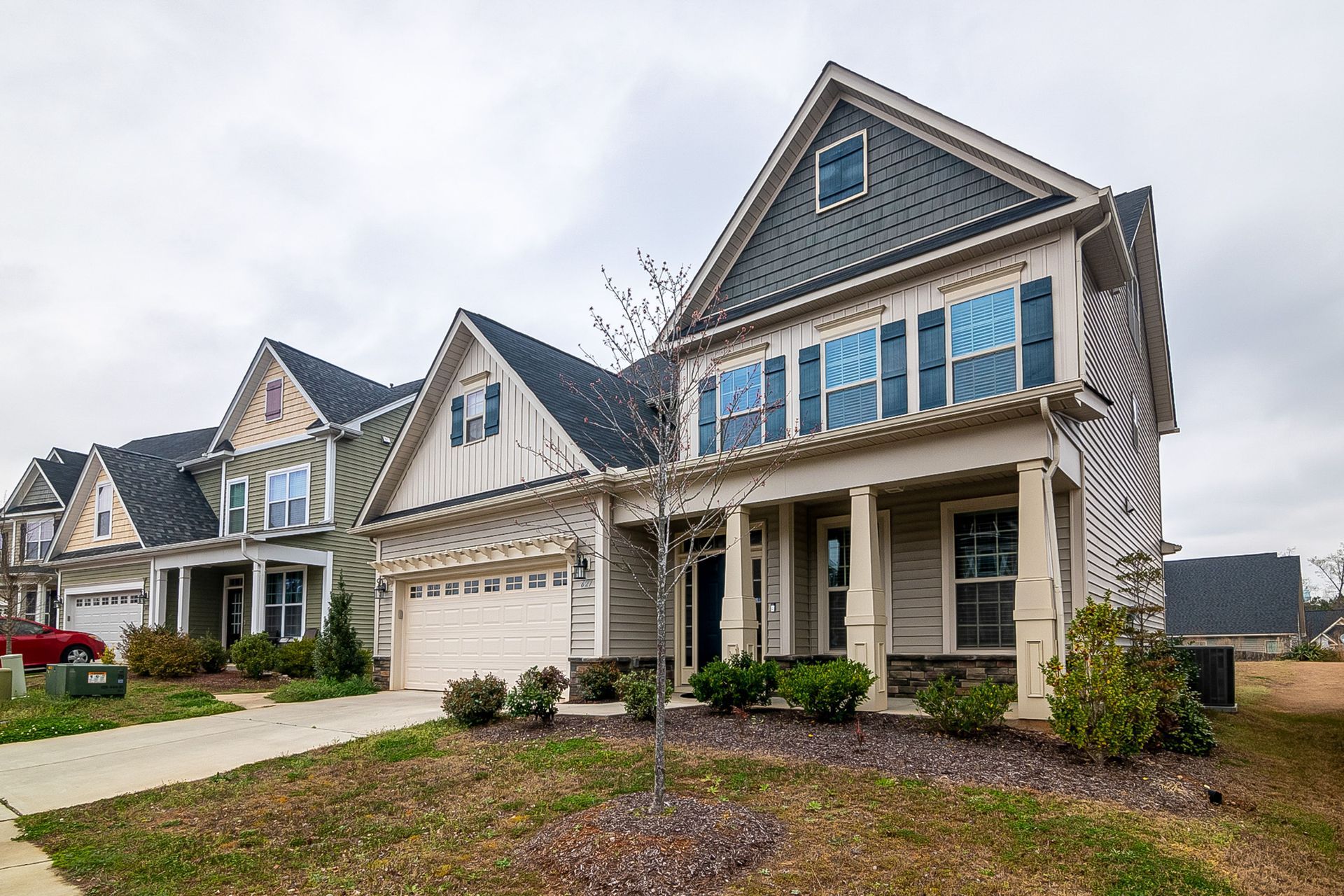
By Raquelle Riti, Bernieri Associates Allstate Insurance • November 5, 2026
Property insurance is one of those things most people don’t think much about—until they need it. And when a claim happens, the last thing you want is to discover that your policy doesn’t work the way you thought it did. After years of helping homeowners understand their coverage, these are 10 of the biggest misconceptions I see. 1. Your home’s market value is NOT the same as its replacement cost. If you bought your home for $400,000, that doesn’t necessarily mean it should be insured for $400,000. Your home’s replacement cost is based on what it would cost to rebuild the structure with today’s labor and material costs—not what you could sell the property for. Your purchase price also includes things like the land and location. 2. Flood damage usually isn’t covered by homeowners insurance. This is a BIG one. A standard homeowners policy generally does not cover flooding from rising or overflowing water. Flood insurance is typically a separate policy. And no—you don’t necessarily have to live in a high-risk flood zone to experience a flood. 3. Homeowners insurance isn’t a home warranty. Insurance is designed for sudden and accidental losses, not everything that breaks in your house. If your 20-year-old water heater simply reaches the end of its life and stops working, homeowners insurance generally isn’t going to buy you a new one. If that water heater suddenly bursts and causes covered water damage, however, the resulting damage may be a different story. 4. Your deductible is what YOU agree to pay toward a covered claim. If you have a $2,500 deductible and experience a covered $10,000 loss, you shouldn’t expect the insurance company to simply hand you $10,000. Understanding your deductible before you have a claim is incredibly important. Choose an amount that helps with your premium but that you could also realistically afford if something happened tomorrow. 5. Not all water damage is treated the same. “I have water damage” doesn’t automatically tell us whether something is covered. A sudden pipe burst, water backing up through a drain, groundwater entering a basement, and a slow leak that has been happening for months can all be treated differently. Where the water came from and how the damage happened matter. 6. Your belongings have limits, too. Your policy may include personal property coverage for things like furniture, clothing and electronics, but certain categories of property can have special limits. Jewelry, watches, collectibles, firearms, fine art and other high-value belongings may need additional coverage or to be specifically scheduled on the policy. If you own something valuable, tell your insurance agent about it before something happens to it. 7. “Full coverage” isn’t really an insurance coverage. People use the phrase “full coverage” all the time, but there is no magical policy that covers absolutely everything. Every insurance policy has coverage limits, exclusions, deductibles and conditions. The goal isn’t to find a policy that covers every possible scenario to understand what protection you actually have. 8. Your insurance company needs to know about major changes to your home. Finished your basement? Added a pool? Built an addition? Started renting the property? Made significant renovations? Those are things you should discuss with your insurance agent. Your policy was written based on certain information about your home and how it is being used. When that changes, your insurance may need to change with it. 9. The cheapest homeowners policy isn’t always the best deal. Saving money is important, I get it! But two policies with similar premiums can provide very different protection. Before choosing a policy based solely on price, compare things like: Dwelling coverage, Deductibles, Liability limits, Personal property coverage, Water backup coverage, Replacement cost provisions, and Additional endorsements and exclusions. Saving a few hundred dollars a year may not feel like a bargain if you discover a major coverage difference after a loss. 10. The BEST time to understand your policy is before you have a claim. Please don’t wait until there’s water in your basement, a tree on your roof or a fire in your kitchen to learn what your policy covers. Ask questions. Review your coverage. Tell your agent when something changes. Insurance can feel complicated, but that’s exactly why having an agent you trust matters.
Real estate financing and non-mortgage contingent offers explained, including the differences
By Wayne Angelo, Cross Country Mortgage • October 26, 2026
Learn how non-mortgage contingent offers differ from cash offers and what buyers and REALTORS® should know about financing, appraisals, and contract risks.
October 12, 2026
LANCASTER, PA – Lancaster County's housing market continued to show strength in September 2026, with rising home prices, increased inventory, and stronger year-over-year sales activity, according to the latest statistics from Bright MLS. The median sold price reached $370,000, a 4.2% increase from September 2025. A total of 457 homes were sold during the month, up 6.5% from the previous year. Housing inventory also improved, with 779 active listings, an increase of 17.3% compared to September 2025. New listings rose 4.8% to 551 properties, providing buyers with additional opportunities. “Lancaster County continues to demonstrate the strength and stability of our local housing market,” said Christina Diehl, President of the Lancaster County Association of REALTORS® (LCAR). “The increase in available homes is encouraging for buyers, while continued price appreciation reflects the strong demand for housing in our community.” Homes continued to sell quickly, spending an average of just 20 days on the market, compared to 25 days a year earlier. Properties also sold at an average of 103.1% of their original listing price, demonstrating continued competition among buyers. Year-to-date figures remain positive, with closed sales increasing 2.7% and the median sold price rising 4.3% to $365,000. “As we enter the final months of 2026, we remain optimistic about Lancaster County's housing market,” Diehl added. “While increased inventory offers buyers more choices, demand remains strong. Working with a knowledgeable local REALTOR® continues to be an important advantage for both buyers and sellers.” About the Lancaster County Association of REALTORS® The Lancaster County Association of REALTORS® (LCAR) represents real estate professionals throughout Lancaster County and is dedicated to promoting homeownership, protecting private property rights, and supporting professionalism in the real estate industry. 
Father holding son showing work life balance as a realtor
By Wayne Angelo, Cross Country Mortgage • September 28, 2026
Work Life Balance
Time blocking as a real estate agent
By Wayne Angelo, Cross Country Mortgage • September 21, 2026
Time Blocking
REALTOR® using the FOREWARN safety app to verify prospective clients and review available public-rec
By Lisa Naples Berkshire Hathaway HomeServices Homesale Realty • September 14, 2026
Learn how REALTORS® can use FOREWARN to verify prospective clients, review available public records, and add another layer of safety before meeting new contacts.
Enhanced Title Insurance: More Protection for Your Home
By Wayne Angelo, Cross Country Mortgage and Bill Stull, Abstract Associates of Lancaster • August 17, 2026
When purchasing a home, buyers often have the option of choosing either a standard or enhanced owner’s title insurance policy. Both policies protect the buyer’s ownership interest in the property, but the enhanced policy provides several valuable protections that go beyond the coverage included in a standard policy. The enhanced policy is available for purchases of one-to-four-family residences and condominiums when the property is being purchased in an individual’s name, rather than in the name of an LLC, corporation, partnership, or other entity. A standard owner’s policy protects against common title problems, including defects, liens or claims against the property, an unmarketable title, and a lack of legal access. The enhanced policy includes those protections while adding coverage for issues that are especially relevant to homeowners, including certain building permit and zoning violations, improper subdivisions, vehicular access problems, and structures that encroach onto the property after the buyer takes ownership. One of the most important added benefits is post-policy forgery protection. A standard policy generally protects against title issues that existed before the buyer purchased the property. The enhanced policy also provides protection if someone later forges the homeowner’s signature or creates a fraudulent deed that clouds the homeowner’s title. With real estate and identity fraud becoming an increasing concern, this protection alone can provide homeowners with valuable peace of mind. The enhanced policy also includes an automatic increase in coverage. The policy amount increases by 10% each year during the first five years of ownership, up to 150% of the original policy amount. This helps the coverage keep pace as the value of the property increases. In Pennsylvania, the enhanced policy is available for a one-time premium that is only 10% higher than the standard owner’s policy premium, with no annual renewal cost. At Abstract Associates, we believe buyers should understand the difference between the two policies before making their decision. For a relatively small additional cost at settlement, the enhanced policy provides broader protection that can continue to benefit the homeowner long after closing.
Top 10 Things People Don’t Understand About Property Insurance
By Raquelle Riti, Bernieri Associates Allstate Insurance • August 3, 2026
Top 10 Things People Don’t Understand About Property Insurance