Dryer Safety: Protecting Your Home and Family

Tony Carrozza, Housemaster Home Inspections • September 12, 2024

  As a homeowner, ensuring the safety of your household appliances is paramount. One often overlooked yet crucial aspect of home safety is dryer maintenance. According to the U.S. Fire Administration, approximately 2,900 home clothes dryer fires are reported yearly, resulting in an estimated five deaths, 100 injuries, and $35 million in property loss. These alarming statistics highlight the importance of prioritizing dryer safety in every home.


As the owner of HouseMaster Home Inspections Serving Lancaster County, and surrounding areas, we have encountered numerous instances where neglected dryers posed significant safety risks to homeowners. This article will delve into essential tips to keep your dryer operating safely and efficiently, ultimately safeguarding your home and loved ones.


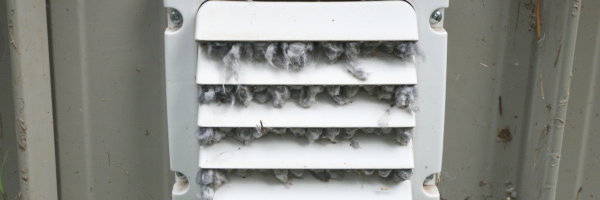
1.   Regular Cleaning: One of the primary causes of dryer fires is lint accumulation within the dryer vent system. Lint is highly flammable and can easily ignite when exposed to high temperatures. To prevent this, homeowners should clean the lint trap after every load of laundry. Additionally, it's crucial to schedule professional dryer vent cleaning at least once a year to remove built-up lint from the vent ducts.


2.   Proper Installation: Ensure your dryer is installed correctly by following the manufacturer's guidelines and local building codes. Improper installation, such as using the wrong vent material or inadequate venting, can restrict airflow and increase fire risk. If you need more clarification about the installation, consider hiring a qualified technician to assess and correct any issues.


3.   Ventilation Maintenance: Check the dryer vent system regularly for any signs of damage or obstruction. Inspect the exterior vent hood to ensure it opens correctly and is not blocked by debris or vegetation. Additionally, ensure the vent ducts are free from kinks or bends that could restrict airflow. Proper ventilation is crucial for allowing hot, moist air to escape efficiently, reducing the risk of overheating and fire.


4.   Avoid Overloading: Overloading the dryer with too many clothes can lead to inefficient drying and overheating. This not only increases energy consumption but also poses a fire hazard. Follow the manufacturer's recommendations for load capacity and avoid cramming too many items into the dryer at once.


5.   Regular Maintenance Checks: Conduct routine maintenance checks on your dryer to identify potential issues early. Inspect the drum for signs of wear or damage, check the door seal for a tight fit, and ensure that the dryer operates smoothly without any unusual noises or vibrations. Addressing minor problems promptly can prevent them from escalating into significant safety concerns.


6.   Monitor Dryer Operation: Pay attention to how your dryer operates during each cycle. If you notice any unusual smells, excessive heat, or prolonged drying times, it could indicate a problem that needs to be addressed. Unplug the dryer and consult a qualified technician to diagnose and resolve the issue to prevent safety hazards.


7.   Keep Flammable Materials Away: Avoid placing chemical-soaked items near the dryer. These materials can ignite quickly if exposed to high temperatures or sparks, increasing the fire risk. Store such items safely away from the dryer to minimize the risk of accidents.


By following these essential tips for dryer safety, homeowners can significantly reduce the risk of dryer-related fires and ensure their appliances' continued safety and efficiency. Remember, investing in regular maintenance and safety precautions is a small price to pay for peace of mind, knowing that your home and family are protected from potential hazards.


-Copyright © Dryer Safety: Protecting Your Home and Family, Tony Carrozza, Housemaster Inspections, 2024. All Rights Reserved.


Facts, opinions and information expressed in the Blog represent the work of the author and are believed to be accurate, but are not guaranteed. The Lancaster County Association of Realtors is not liable for any potential errors, omissions or outdated information. If errors are noted within a post, please notify the Association. Posts represent the author's opinion and are not necessarily the opinion of the Association.


 

Real estate financing and non-mortgage contingent offers explained, including the differences
By Wayne Angelo, Cross Country Mortgage • October 26, 2026
Learn how non-mortgage contingent offers differ from cash offers and what buyers and REALTORS® should know about financing, appraisals, and contract risks.
October 12, 2026
LANCASTER, PA – Lancaster County's housing market continued to show strength in September 2026, with rising home prices, increased inventory, and stronger year-over-year sales activity, according to the latest statistics from Bright MLS. The median sold price reached $370,000, a 4.2% increase from September 2025. A total of 457 homes were sold during the month, up 6.5% from the previous year. Housing inventory also improved, with 779 active listings, an increase of 17.3% compared to September 2025. New listings rose 4.8% to 551 properties, providing buyers with additional opportunities. “Lancaster County continues to demonstrate the strength and stability of our local housing market,” said Christina Diehl, President of the Lancaster County Association of REALTORS® (LCAR). “The increase in available homes is encouraging for buyers, while continued price appreciation reflects the strong demand for housing in our community.” Homes continued to sell quickly, spending an average of just 20 days on the market, compared to 25 days a year earlier. Properties also sold at an average of 103.1% of their original listing price, demonstrating continued competition among buyers. Year-to-date figures remain positive, with closed sales increasing 2.7% and the median sold price rising 4.3% to $365,000. “As we enter the final months of 2026, we remain optimistic about Lancaster County's housing market,” Diehl added. “While increased inventory offers buyers more choices, demand remains strong. Working with a knowledgeable local REALTOR® continues to be an important advantage for both buyers and sellers.” About the Lancaster County Association of REALTORS® The Lancaster County Association of REALTORS® (LCAR) represents real estate professionals throughout Lancaster County and is dedicated to promoting homeownership, protecting private property rights, and supporting professionalism in the real estate industry. 
Father holding son showing work life balance as a realtor
By Wayne Angelo, Cross Country Mortgage • September 28, 2026
Work Life Balance
Time blocking as a real estate agent
By Wayne Angelo, Cross Country Mortgage • September 21, 2026
Time Blocking
REALTOR® using the FOREWARN safety app to verify prospective clients and review available public-rec
By Lisa Naples Berkshire Hathaway HomeServices Homesale Realty • September 14, 2026
Learn how REALTORS® can use FOREWARN to verify prospective clients, review available public records, and add another layer of safety before meeting new contacts.
Enhanced Title Insurance: More Protection for Your Home
By Wayne Angelo, Cross Country Mortgage and Bill Stull, Abstract Associates of Lancaster • August 17, 2026
When purchasing a home, buyers often have the option of choosing either a standard or enhanced owner’s title insurance policy. Both policies protect the buyer’s ownership interest in the property, but the enhanced policy provides several valuable protections that go beyond the coverage included in a standard policy. The enhanced policy is available for purchases of one-to-four-family residences and condominiums when the property is being purchased in an individual’s name, rather than in the name of an LLC, corporation, partnership, or other entity. A standard owner’s policy protects against common title problems, including defects, liens or claims against the property, an unmarketable title, and a lack of legal access. The enhanced policy includes those protections while adding coverage for issues that are especially relevant to homeowners, including certain building permit and zoning violations, improper subdivisions, vehicular access problems, and structures that encroach onto the property after the buyer takes ownership. One of the most important added benefits is post-policy forgery protection. A standard policy generally protects against title issues that existed before the buyer purchased the property. The enhanced policy also provides protection if someone later forges the homeowner’s signature or creates a fraudulent deed that clouds the homeowner’s title. With real estate and identity fraud becoming an increasing concern, this protection alone can provide homeowners with valuable peace of mind. The enhanced policy also includes an automatic increase in coverage. The policy amount increases by 10% each year during the first five years of ownership, up to 150% of the original policy amount. This helps the coverage keep pace as the value of the property increases. In Pennsylvania, the enhanced policy is available for a one-time premium that is only 10% higher than the standard owner’s policy premium, with no annual renewal cost. At Abstract Associates, we believe buyers should understand the difference between the two policies before making their decision. For a relatively small additional cost at settlement, the enhanced policy provides broader protection that can continue to benefit the homeowner long after closing.
Top 10 Things People Don’t Understand About Property Insurance
By Raquelle Riti, Bernieri Associates Allstate Insurance • August 3, 2026
Top 10 Things People Don’t Understand About Property Insurance
Reverse Mortgage
By Wayne Angelo & Megan Brogna – CrossCountry Mortgage • July 31, 2026
Most people think of a reverse mortgage as a way for homeowners to access the equity they've built in their current home. While that's certainly true, many Realtors are surprised to learn that a reverse mortgage can also be used to purchase a new home. What Is a Reverse Mortgage? A reverse mortgage, also known as a Home Equity Conversion Mortgage (HECM), is an FHA-insured loan available to homeowners age 62 and older. Instead of making monthly mortgage payments, eligible borrowers can use a portion of their home's equity to eliminate an existing mortgage, establish a line of credit, receive monthly payments, or simply improve cash flow. Borrowers remain responsible for paying property taxes, homeowners' insurance, maintaining the home, and continuing to occupy it as their primary residence. What Is a Reverse Mortgage for Purchase? A HECM for Purchase allows qualified buyers age 55 and older to purchase a new primary residence using a substantial down payment and a reverse mortgage—without the obligation of monthly principal and interest payments.* This program can be an excellent solution for: Buyers looking to downsize. Retirees relocating closer to family. Homeowners moving into a 55+ community. Clients seeking a home that better fits their retirement lifestyle. Buyers who want to preserve more of their retirement savings or investment assets. Instead of paying all cash for a home, buyers can finance part of the purchase through a reverse mortgage, allowing them to keep more of their liquid assets available for future needs. Why Realtors Should Know About This Program A Reverse Mortgage for Purchase can help clients: Increase purchasing power. Improve monthly cash flow. Preserve retirement savings. Purchase a home that better meets their long-term needs. Age in place more comfortably. For many older buyers, this financing option can make the difference between settling for a home and purchasing the one that truly fits their retirement goals. If you work with clients who are 55 or older, a Reverse Mortgage for Purchase may be worth exploring before they write an offer. *Borrowers must continue to pay property taxes, homeowners insurance, maintain the property, and occupy the home as their primary residence. The amount available depends on factors including the youngest borrower's age, current interest rates, and the home's value. Facts, opinions and information expressed in the Blog represent the work of the author and are believed to be accurate but are not guaranteed. The Lancaster County Association of Realtors is not liable for any potential errors, omissions or outdated information. If errors are noted within a post, please notify the Association. Posts represent the author's opinion and are not necessarily the opinion of the Association.